In the ever-changing field of electrical engineering, you can learn about everything from power lines and renewable energy to IoT and automation powered by AI. Find out about job openings, new trends, and the future of technology today.
Electrical engineering is an area that changes very quickly and is essential to modern technology. This field not only runs our businesses and homes, but it also leads to new ideas in areas like automation, improved communication systems, and renewable energy.
Electrical engineers are very important to making the future happen because they create strong power grids and smart devices. This guide goes into detail about the main ideas of electrical engineering, the different types of jobs that can be done in the field, and the new trends that are changing everything.
What is Electrical Engineering?
Electrical engineering is the branch of engineering that deals with the study and application of electricity, electronics, and electromagnetism. It encompasses a wide array of topics from circuit design and control systems to power generation and telecommunications making it a cornerstone of technological progress.
Key Areas of Electrical Engineering
- Engineering for Power Systems: Engineers in this field design and manage systems that make, send, and use energy. They build and improve power plants, make new electrical grids, and add renewable energy sources to make sure that energy flows steadily.
- Engineering in Electronics: This field is all about making electronic systems and devices. Engineers who work on gadgets make the parts that make modern computers and gadgets work. For example, they make the microprocessors that run computers and the sensors that are used in smartphones.
- Control Systems: The field of control systems engineering looks at how to automate and run machines and processes. Electrical engineers design algorithms and controllers to make sure that robots, industrial automation, and even aerospace systems work well and safely.
- Telecommunications: Telecommunications engineering is all about sending data over long distances. This includes setting up and maintaining networks for phone systems, the internet, and even the newest technologies like 5G wireless networks, which are all needed to connect people all over the world.
- Embedded systems: Computers that are built Embedded systems are computers that are made for a certain job. They are made of both hardware and software. They are a key part of many kinds of devices, including smart home gadgets and medical devices.
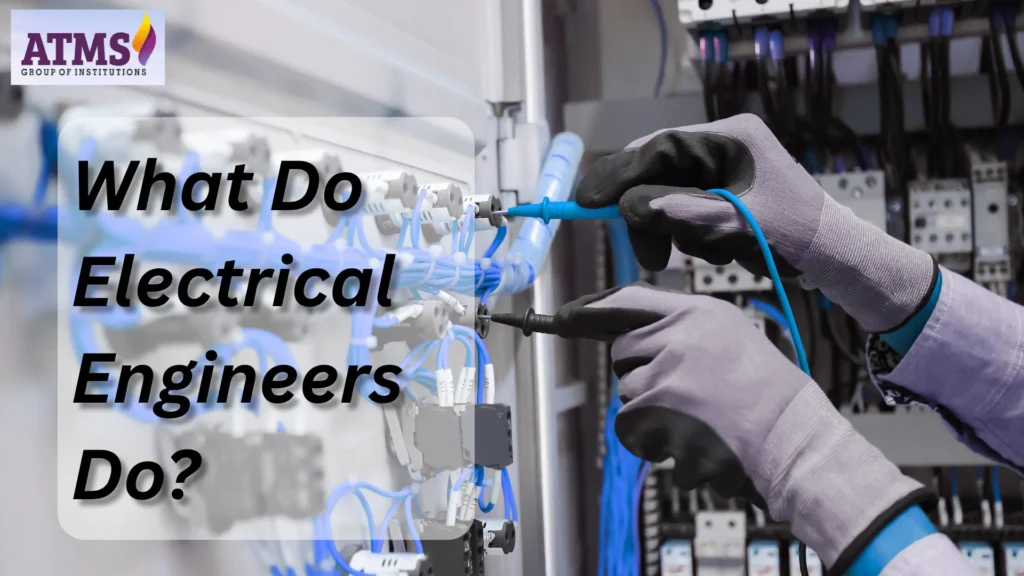
What Do Electrical Engineers Do?
Electrical engineers use ideas from physics, math, and computer science to figure out how to fix complicated issues in technology and infrastructure. Even though their jobs are very different, they all help make electricity systems more reliable and efficient.
Common Tasks of an Electrical Engineer
- Designing and Testing Electrical Circuits: Engineers carefully plan circuits and parts to make sure they work well, and then they test them thoroughly to make sure they are safe and reliable in a variety of situations.
- Developing Power Generation and Distribution Systems: Their job is to make systems that produce and distribute electricity that are as efficient as possible. These systems often combine traditional power plants with renewable energy sources to form a single grid.
- Integrating AI and automation together: Many electrical engineers are adding AI to robots and control systems to make them work better and make fewer mistakes as automation grows quickly.
- Keeping Smart Grids Running and Making Them Better: Smart grids use real-time data to make the best use of energy sharing, minimize power outages, and make things more efficient. Electrical Engineers are very important for building these networks and making sure they can adapt to changing energy needs.
- Making New Sustainable Energy Technologies: Electrical engineers are working on new solar, wind, and hydrogen technologies that will help the world deal with its environmental problems and make the future better.
Difference Between Electrical Engineering and Electronics Engineering:
While electrical engineering and electronics engineering share common ground, they differ in focus and application.
Comparison
- Scope and Scale:
- Electrical Engineering: Focuses on large-scale systems such as power generation and transmission networks.
- Electronics Engineering: Deals with smaller, low-voltage systems like circuit boards and semiconductor devices.
- Application Areas:
- Electrical Engineering: Often applied in infrastructure projects, power distribution, and renewable energy installations.
- Electronics Engineering: Central to the development of consumer electronics, computing devices, and digital communication systems.
- Skill Sets:
- Electrical Engineers: Require a deep understanding of power systems, electromagnetism, and high-voltage safety.
- Electronics Engineers: Must be skilled in circuit design, digital signal processing, and semiconductor fabrication.
Types of Electrical Engineering:
The field of electrical engineering is broad and includes several specialized areas. Each specialized area offers a unique challenges and opportunities for innovation.
Specializations
- Power Engineering: This specialization concentrates on the generation, transmission, and distribution of electrical energy. Engineers in this field design power plants, construct infrastructure for renewable energy sources, and advance smart grid technology to ensure effective energy management.
- Electronics Engineering: Electronics engineers specialize in the design and development of electronic components and systems, including integrated circuits, sensors, and microprocessors. Their contributions are fundamental to contemporary computing, communication, and consumer electronics.
- Control Systems Engineering: This discipline focuses on the creation of systems that automate and govern processes. Applications encompass robotics, industrial automation, and sophisticated vehicle control systems, guaranteeing seamless and efficient operation.
- Telecommunications Engineering: Telecommunications engineers specialize in the design and maintenance of networks for data, voice, and video transmission. This domain is swiftly advancing due to the advent of 5G and IoT, necessitating ongoing innovation to accommodate escalating connectivity requirements.
- Renewable Energy Engineering: This field focuses on the advancement of sustainable energy solutions. Engineers focus on capturing energy from natural sources, including solar, wind, and hydropower, while integrating these into existing grids and developing innovative energy storage technologies to mitigate environmental impact.
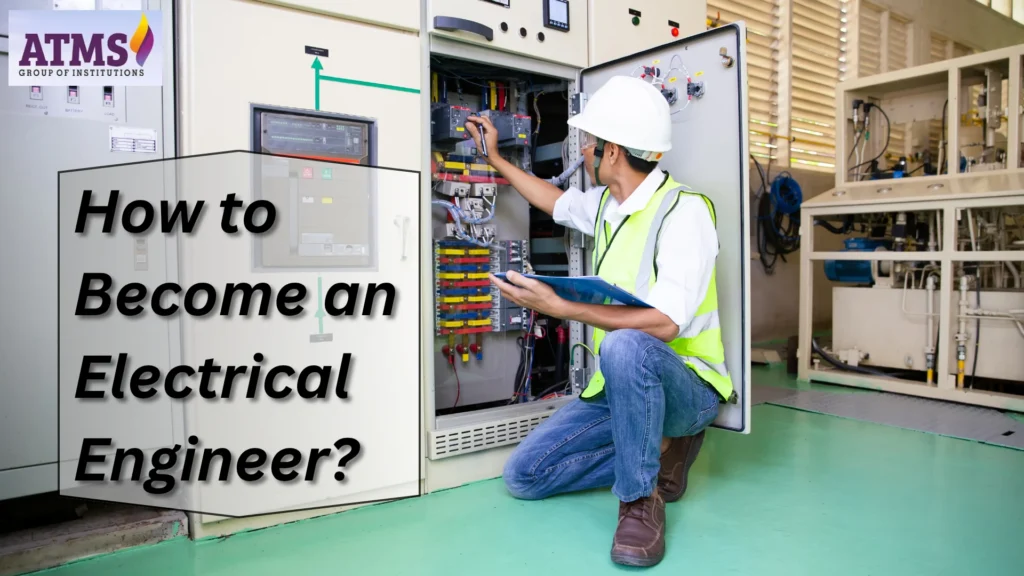
How to Become an Electrical Engineer?
A career in electrical engineering is both challenging and rewarding, it requires a blend of theoretical knowledge and practical experience.
Steps to Becoming an Electrical Engineer
- Obtain a Degree: Commence with a Bachelor’s degree in Electrical Engineering. This program encompasses fundamental subjects such as circuit analysis, electromagnetism, and digital systems, establishing a foundation for advanced study and professional application.
- Acquire Practical Experience: Internships, joint education programs, and laboratory projects offer experiential exposure. Practical experience is essential for comprehending the application of theoretical principles in industrial contexts and for establishing a professional network.
- Acquire Essential Skills: Beyond academic knowledge, proficiency in circuit design, programming, and system analysis is crucial. Staying informed on developing technologies such as AI and IoT will significantly improve your employability in a competitive industry.
- Remain Informed: Electrical engineering is an evolving discipline. Ongoing education via professional development courses, industry conferences, and technical journals is essential to remain informed about the latest technologies and trends.
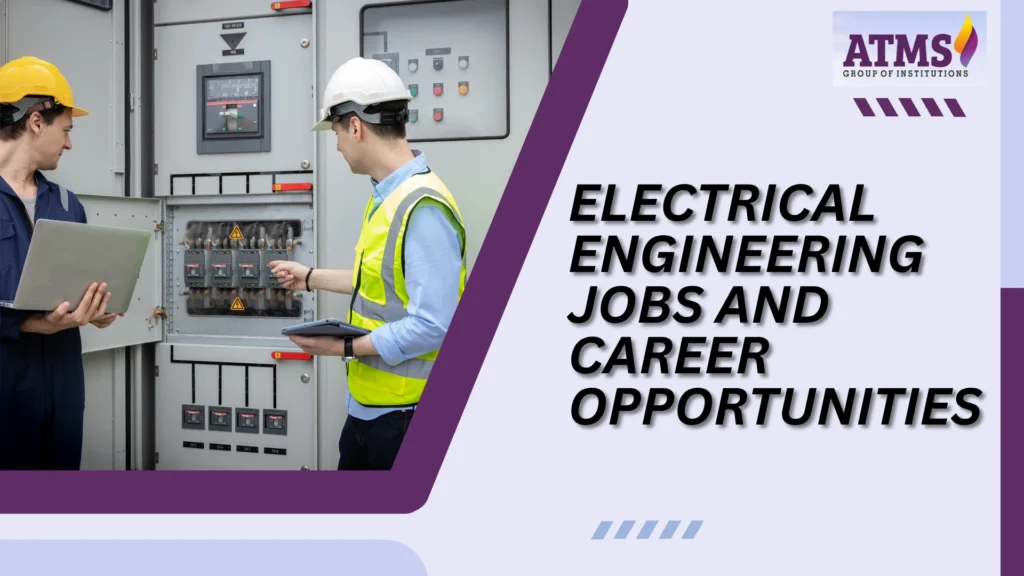
Electrical Engineering Jobs and Career Opportunities:
The field of Electrical Engineer offers a vast range of career paths, each contributing to the ongoing technological advancement. As industries modernize and sustainability becomes a priority, the demand for skilled electrical engineers continues to rise.
Career Opportunities
- Power Engineer: This person designs and manages power systems, from old-fashioned power plants to new smart grids. This job is very important for making sure that electricity is distributed safely in both cities and the countryside.
- Electronics Engineer: Works on making and improving electronic devices. These people are very important for making consumer technology better, from smartphones and laptops to supercomputers.
- Automation Engineer: This person is very important for bringing AI and robots into manufacturing and other industrial processes. Automation engineers make systems that make production more efficient, improve safety, and lower costs of running a business.
- Renewable Energy Consultant: Gives advice on projects that use sustainable energy sources. As the world works to fight climate change, these experts in solar, wind, and other renewable energy technologies are becoming more and more in demand.
- Telecommunications Engineer: Builds, runs, and keeps up communication networks. This is an exciting and fast-changing career path because 5G is becoming more popular and the need for reliable data transmission is growing.
Future of Electrical Engineering:
The future of electrical engineering is bright, driven by rapid technological advancements and an increasing emphasis on sustainable practices. Several key trends are set to shape the industry in the coming years.
Future Trends
- Smart Grids: Smart grids represent a substantial evolution in the administration of electrical power. These systems can change based on how people use energy, cut down on energy waste, and make the grid more reliable by combining AI with real-time data analytics.
- Electric Vehicles (EVs): The switch to electric cars is happening quickly, and engineers are at the forefront of creating better battery technology, charging systems, and ways to manage energy. Better electric vehicle technology not only makes transportation more environmentally friendly, but it also pushes forward progress in energy storage.
- IoT and Automation: The Internet of Things (IoT) is changing the way people live and work. Electrical engineers are creating networks of smart devices that connect easily. This will automate tasks and make systems work better and respond faster.
- Renewable Energy Expansion: The world’s focus on sustainability is speeding up the growth of renewable energy. New technologies like hydrogen fuel cells, as well as improvements to solar panels and wind turbines, are making it easier to make and move clean energy.
- Quantum Computing: Quantum computing is still in its early stages, but it could change electrical and computer engineering in a big way. Advancements in this field could lead to groundbreaking methods for circuit design, signal processing, and computational efficiency, potentially transforming various industries.
How the ATMS Institute, Hapur helps students who want to be electrical engineers:
ATMS Institute in Hapur is one of the best colleges in Uttar Pradesh for Electrical Engineering. It gives students a strong foundation in the field by combining theory with hands-on experience. AICTE (All India Council for Technical Education) has given its stamp of approval to the Electrical Engineering program at ATMS Institute. This means that the curriculum meets national standards for both academics and industry.
- Electrical Engineering Program with AICTE Accreditation: The AICTE-approved Electrical Engineering program at ATMS Institute gives students a lot of knowledge about electricity, electronics, power systems, and automation. The curriculum is always being updated to include the latest developments in the field, like IoT, renewable energy, and smart grid technologies. This makes sure that students are ready for the job market as it changes.
- Curriculum that is relevant to the field: The institute’s curriculum focuses on both basic and modern ideas, including power generation, transmission, and advanced automation and control systems. This method gives students the technical skills and analytical skills they need to come up with long-term, effective solutions.
- Hands-on training in real-life situations: ATMS asserts that engineering is best learned through practical experience. Students gain practical experience through cutting-edge labs, real-world industry projects, and workshops. These opportunities allow people to use what they’ve learned in school to solve real-world problems in energy management, automation, and circuit design.
- Skilled teachers: The Electrical Engineering department at ATMS Institute has a group of experienced and highly skilled teachers who combine academic rigor with real-world experience. Their supervision helps students understand difficult engineering problems and encourages new ideas through project-based learning and research support.
- Dedicated Placement Cell: Help with getting a job and moving up in your career The Training and Placement Cell at ATMS Institute is very important for shaping students’ careers. The institute has strong ties to well-known companies in the electricity, manufacturing, and renewable energy sectors. Through placement drives, skill development workshops, and soft skills training, students are fully prepared to enter the workforce with confidence.
- Focus on new ideas and long-term growth: ATMS encourages students to come up with new ideas in smart automation, AI-based control systems, and sustainable energy, which are all goals of modern engineering. Students take part in national competitions, seminars, and research projects that prepare them to help build a future that is both sustainable and focused on technology.
FAQ: Electrical Engineering
1. How far does Electrical Engineering go in India?
2. Is it possible to work in electrical engineering in the future?
3. Why should you choose the ATMS Institute in Hapur for your electrical engineering degree?
4. What kinds of jobs can you get with a degree in Electrical Engineering?
5. What are the most important skills needed to work in Electrical Engineering?
Conclusion
Electrical engineering is a discipline rich with prospects for innovation and advancement. It is vital to technical advancement, fostering sustainable solutions and enhancing the infrastructure that underpins contemporary existence.
A career in electrical engineering presents a demanding yet fulfilling trajectory, regardless of whether your interests pertain to power systems, electronics, automation, or emerging technologies. As the industry progresses with innovations in AI, renewable energy, and intelligent technology, electrical engineers will be essential in crafting a more intelligent and sustainable future.